Procurement & Sourcing Guide for Custom Carbon Fiber Components
Custom carbon fiber components are at the forefront of technological advancements due to their lightweight and robust nature, finding applications across various sectors. This guide is designed to assist procurement managers and sourcing specialists in evaluating potential suppliers for these materials. Key focus areas include supplier assessment criteria, essential quality certifications, minimum order quantities (MOQ), lead time expectations, and strategies for cost optimization. For a comprehensive understanding, explore more at ictmaterial.com.
Evaluating Suppliers for Custom Carbon Fiber Components
Supplier Evaluation Criteria
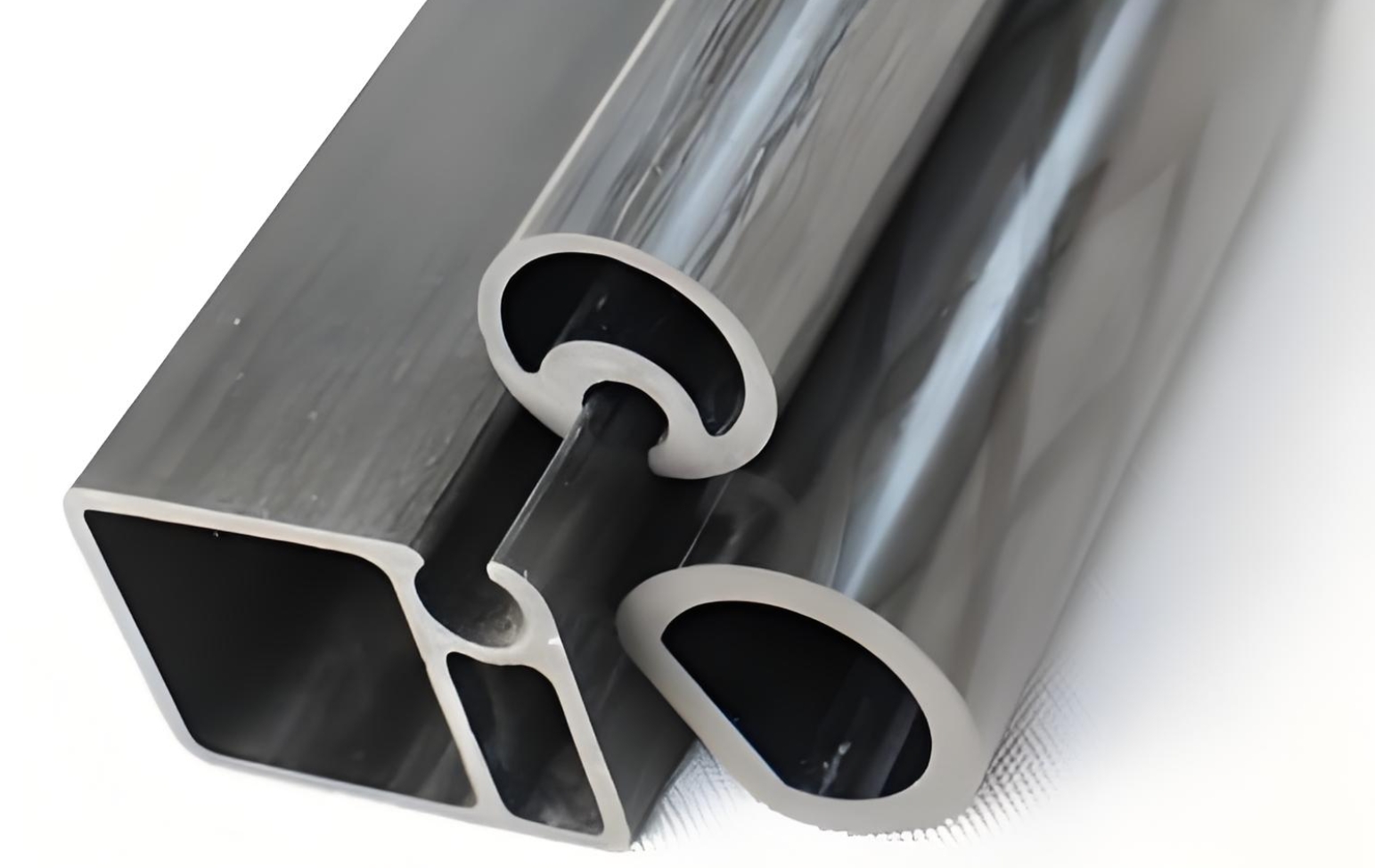
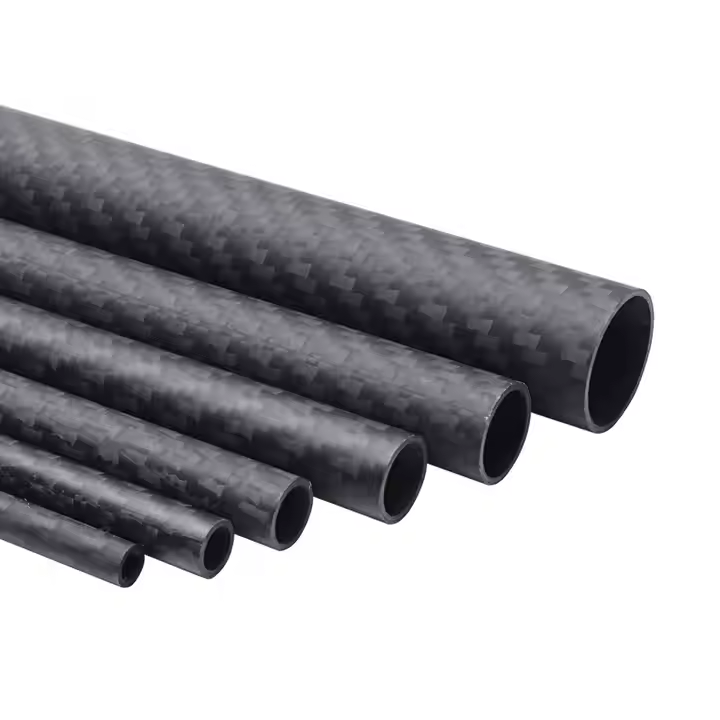
Choosing the right supplier involves a meticulous evaluation process. First, assess their technical expertise and experience within the industry. A supplier with a proven track record, such as those serving multiple sectors like aerospace and automotive, often ensures reliability. Also, inquire about their production capabilities to confirm they can handle your project’s specific requirements, including custom sizes and designs such as plates and rods.
Understanding Quality Certifications and Standards
Essential Certifications
Quality certifications like ISO 9001 are indispensable as they signify adherence to international quality management standards. These certifications guarantee that the supplier maintains consistent quality across their production processes. Additionally, request Certificates of Analysis (COA) to verify material properties, ensuring compliance with project specifications.
Compliance with Industry Standards
Ensure that the supplier complies with standards such as ISO 14125 and ASTM D3039, which test flexural and tensile properties, respectively. Adherence to these norms ensures that the components are fit for their intended applications, providing peace of mind regarding product performance and longevity.
Determining MOQ and Lead Time Expectations
Minimum Order Quantities and Flexibility
Understanding the supplier’s minimum order quantity is crucial, especially if your project has specific scale needs. Some suppliers offer flexible MOQs, which can be beneficial for both large-scale and pilot projects. Discuss these expectations upfront to align with your procurement strategy.
Lead Time Considerations
Lead times are critical in planning and scheduling. A reliable supplier should not only meet industry-standard lead times but also provide accurate timelines for product development and delivery. This transparency aids in efficient project management and timely completion.
Comparing Suppliers: What to Look For
Performance Metrics
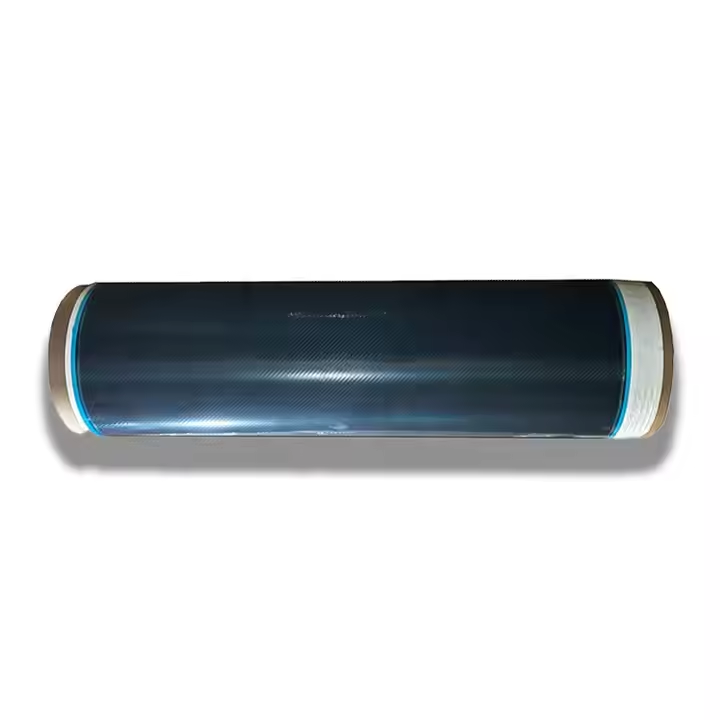
Compare suppliers based on performance metrics such as tensile strength and material grades. For instance, options like 3K and 12K prepreg materials offer varied strengths suitable for different applications. Consider these metrics in the context of your specific project needs.
| Grade | Tensile Strength (MPa) | Applications |
|---|---|---|
| 3K | 3,500 | Aerospace, Automotive |
| 12K | 4,500 | Wind Energy, Construction |
| 24K | 5,000 | Marine, Sports Equipment |
Red Flags in the Sourcing Process
Be vigilant for red flags such as inconsistent communication or reluctance to provide documentation like COA. Poor customer service or lack of transparency about production processes may indicate potential issues. Prioritize suppliers who offer clear, consistent, and open communication channels.
Cost Optimization Strategies
Negotiating Terms
Effective negotiation can significantly impact cost optimization. Engage in discussions around bulk discounts and flexible payment terms, which can lead to cost savings. Additionally, consider long-term partnerships with suppliers that demonstrate reliability and consistent quality.
Implementing Efficient Procurement Practices
Streamline your procurement processes by leveraging technology for order tracking and vendor management. This can reduce administrative costs and increase efficiency, ultimately optimizing your budget for sourcing custom carbon fiber components.
For further insights into the best practices and procurement strategies for custom carbon fiber components, find out more from industry leaders.
Featured Custom Carbon Fiber Components
Explore a curated selection of top-rated custom carbon fiber products trusted across industries. These products exemplify the high standards maintained by leading manufacturers.
Concluding Thoughts
By employing strategic evaluation and procurement practices, sourcing specialists can ensure the selection of the most suitable custom carbon fiber components supplier. This process is critical for achieving project success and operational efficiency. To explore more customized solutions, visit Impact Materials for custom carbon fiber components solutions.